


Family law SEO in 2026 is how your firm shows up when someone searches divorce lawyer plus city name, child custody attorney near me, or spousal support lawyer in their state — at 11 PM, on a phone, probably not in the mood for marketing fluff. (Yes, you should be entering your time right now. We will not tell.) U.S. family law is YMYL territory: state bar rules, matter-specific intent, and local pack competition that generic legal SEO guides never quite address.
The bottom line
Win family law consultations with separate matter-type pages, empathetic mobile intake, and local search signals Google trusts. Let's look at the math: mature SEO drops cost-per-acquisition to roughly $50–$100 per case over twelve months. Paid ads for the same family law lead often run $300–$800. Everything else is decoration until those three work.
What family law SEO means in 2026
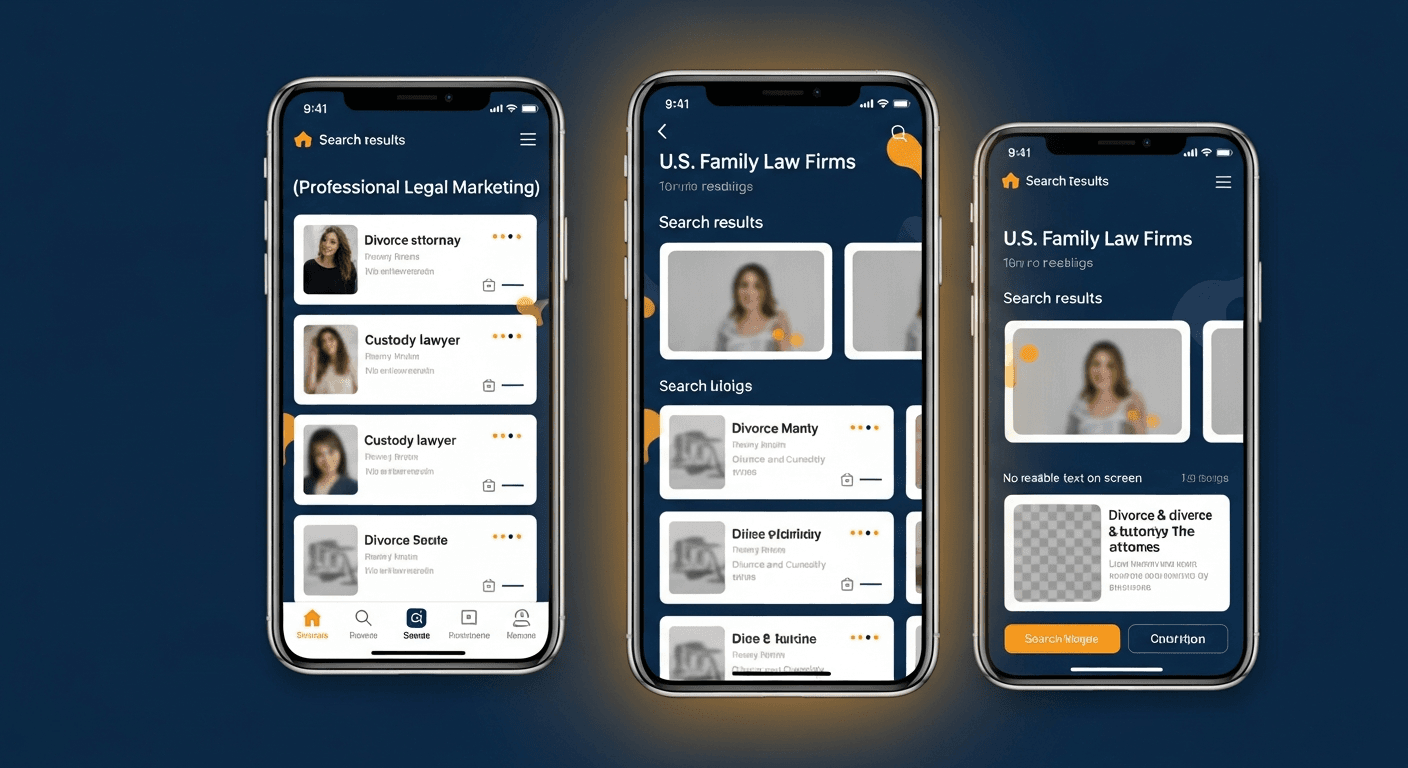
Family law SEO is specialized search work: your site, content, and local listings aligned so Google trusts you for family-related queries in your market. It is not generic law firm SEO with "divorce" sprinkled in the title tag.
U.S. family law search splits three ways. Educational content that builds authority without crossing into legal advice. Matter-type pages — divorce, custody, support, mediation — that match how people describe their crisis. City and county targeting where competition is tightest: Maricopa County, Cook County, Harris County, King County.
Canadian and UK guides talk about law societies and civil-law frameworks. Your regulator is state bar advertising rules. Your competitor set is the firm down the street with a verified map pin — not a national template with your logo swapped in. The Clio family law SEO guide covers fundamentals. This page covers what changes for U.S. firms in 2026.
Matter-type pages beat generic family law URLs
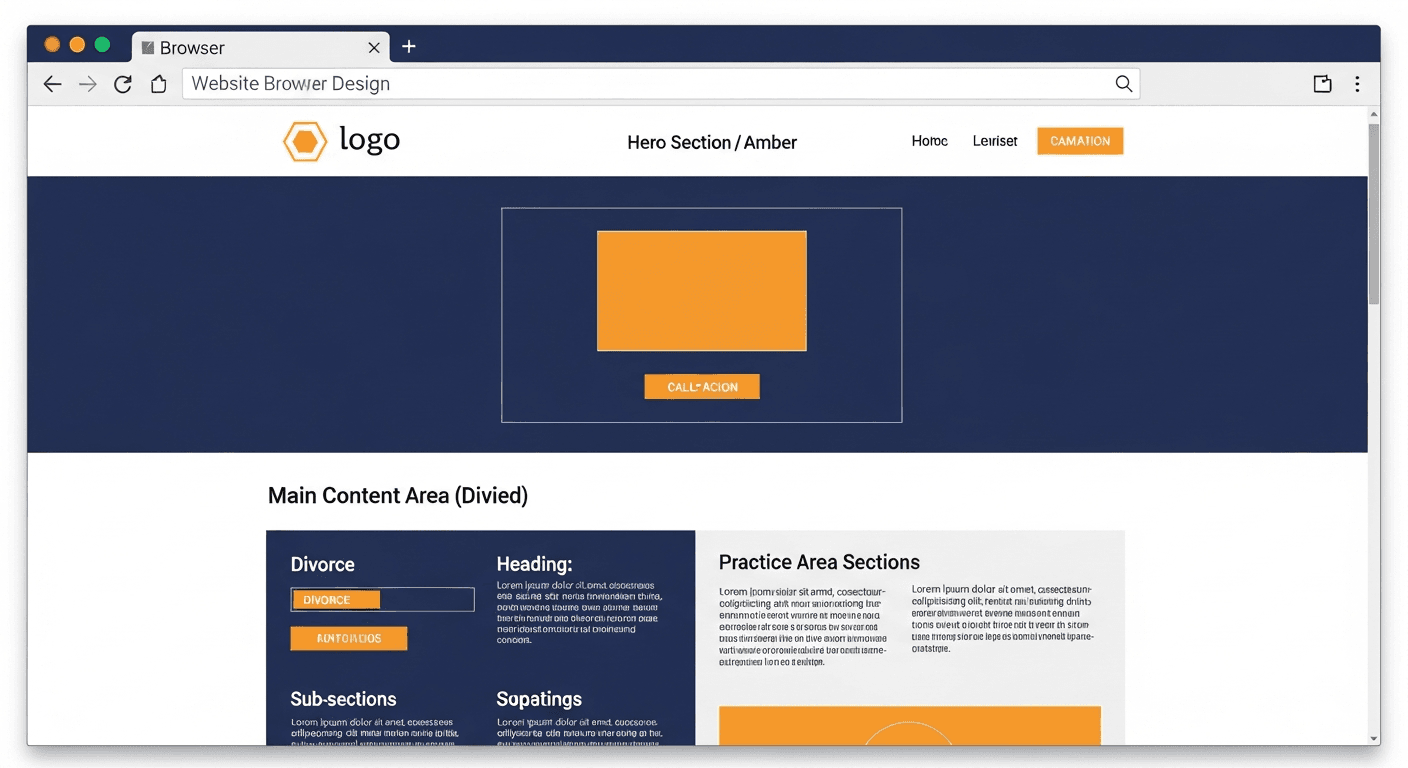
One URL per intent. A divorce lawyer [city] searcher and a child custody attorney near me searcher should not land on the same page. Each matter page needs a plain-language headline, who you help, what the intake process looks like, and a confidential contact path without scrolling to Mongolia.
State-specific procedure content drives relevance. Spousal support rules in Texas are not spousal support rules in Massachusetts. Parenting plan explainers for Washington courts should not read like Florida templates with the state name find-and-replaced.
Most big-box agencies put dozens of family law firms on the same website skeleton, swap the logo, and charge monthly retainers. Google sees duplicate structure. So do prospects comparing three firms at midnight. We build custom, or we do not build. That is not branding. It is how the algorithm works. See our family law marketing overview and website development services for how we structure matter-type silos.
Empathetic conversion UX for families in crisis
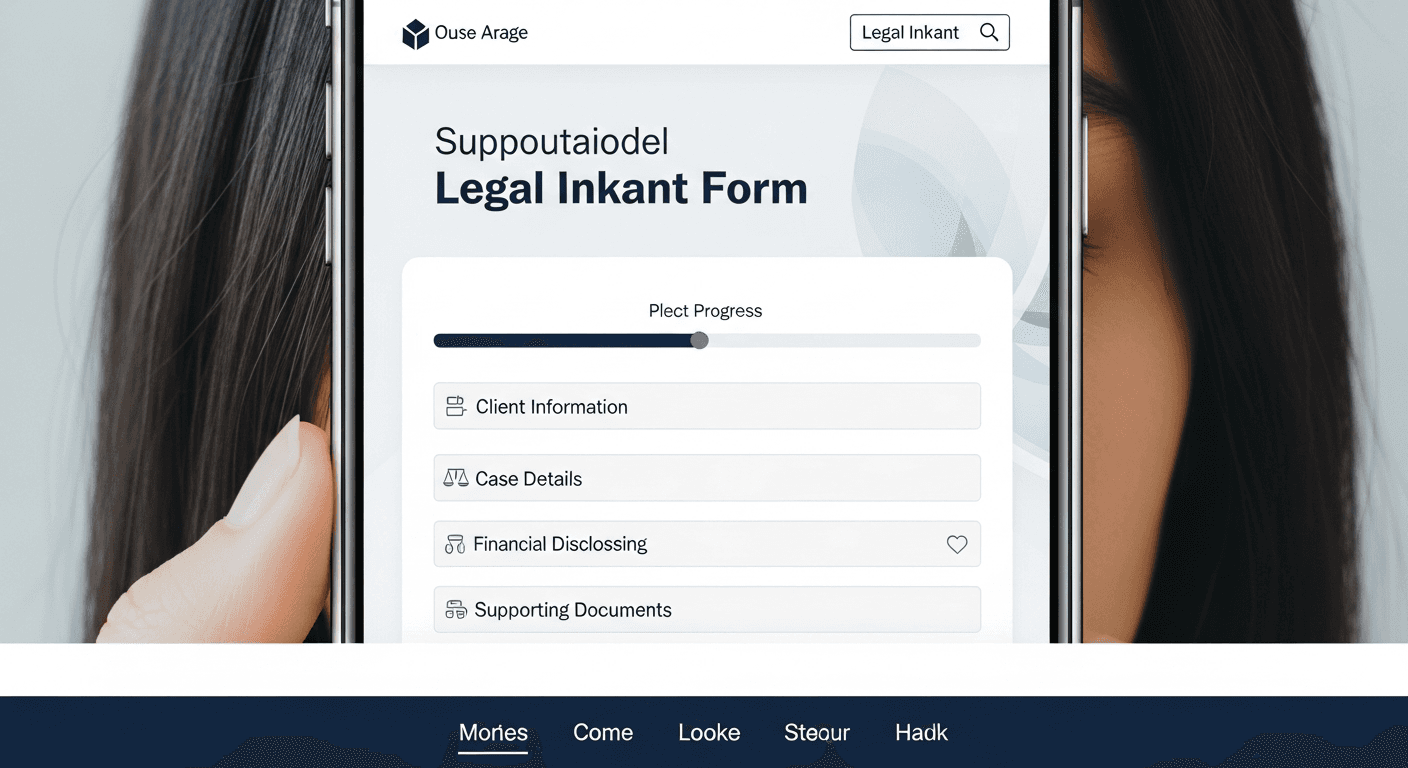
Family law prospects are not shopping casually. They need privacy, clarity, and a low-friction first step. Progressive disclosure intake — name, phone, matter type first — reduces abandonment on mobile. Tap-to-call in the header. Your number should not be twelve-point font in the footer.
A boutique family law firm was quoted $3,000 a month by a competitor for a "comprehensive marketing package." When we looked under the hood, it was $500 of actual Google Ads and $2,500 of management fees for a website template shared by forty other attorneys. We separated ad spend from the agency fee, rebuilt their funnel for organic search, and dropped their cost-per-acquisition by 60%.
Soft-tone copy and process explainers outperform aggressive sales language in every family law market we track. Pair that with bar-compliant content creation so your empathy does not accidentally become outcome language your state bar will flag.
Local pack and Google Business Profile

For family law firms, the map pack captures a disproportionate share of divorce and custody clicks. Someone searches divorce lawyer plus city name. Three profiles appear before organic results. If yours is unverified, incomplete, or using keyword-stuffed business names, you are invisible at the moment of highest intent.
NAP consistency matters: name, address, phone identical on your site, GBP, and citations. Ghost listings from an old office or a departed partner split your authority. We merge duplicates before running paid campaigns — fix the roots first. Set your primary category to Family Law Attorney, not generic Lawyer.
Reviews where your state bar permits them. The Juris Digital family law SEO guide walks through GBP optimization in detail. For ongoing local pack work, see our family law SEO services.
Technical SEO, YMYL, and Core Web Vitals

Family law is YMYL — Your Money Your Life — in Google's classification. Thin content, missing attorney bios, and outdated procedure pages hurt rankings and trust. FAQ and LocalBusiness schema help search engines and AI summaries parse your answers. Have a lawyer review content before publish.
Nine times out of ten, slow family law websites suffer from digital plaque. A chat widget here. A ten-megabyte headshot there. Over two years the site wades through molasses. Google downgrades it. Stressed prospects hit back and call the next firm on the list.
Target LCP under 2.0 seconds on mobile. Pass WCAG 2.2 Level AA for accessibility — family law clients include users under stress who need clear contrast and keyboard navigation. If your site was built before mobile-first indexing, SEO polish will not fix the engine. Rebuild first. Our client portal and app development team handles secure intake when off-the-shelf forms are not enough.
AI Overviews and generative search in 2026
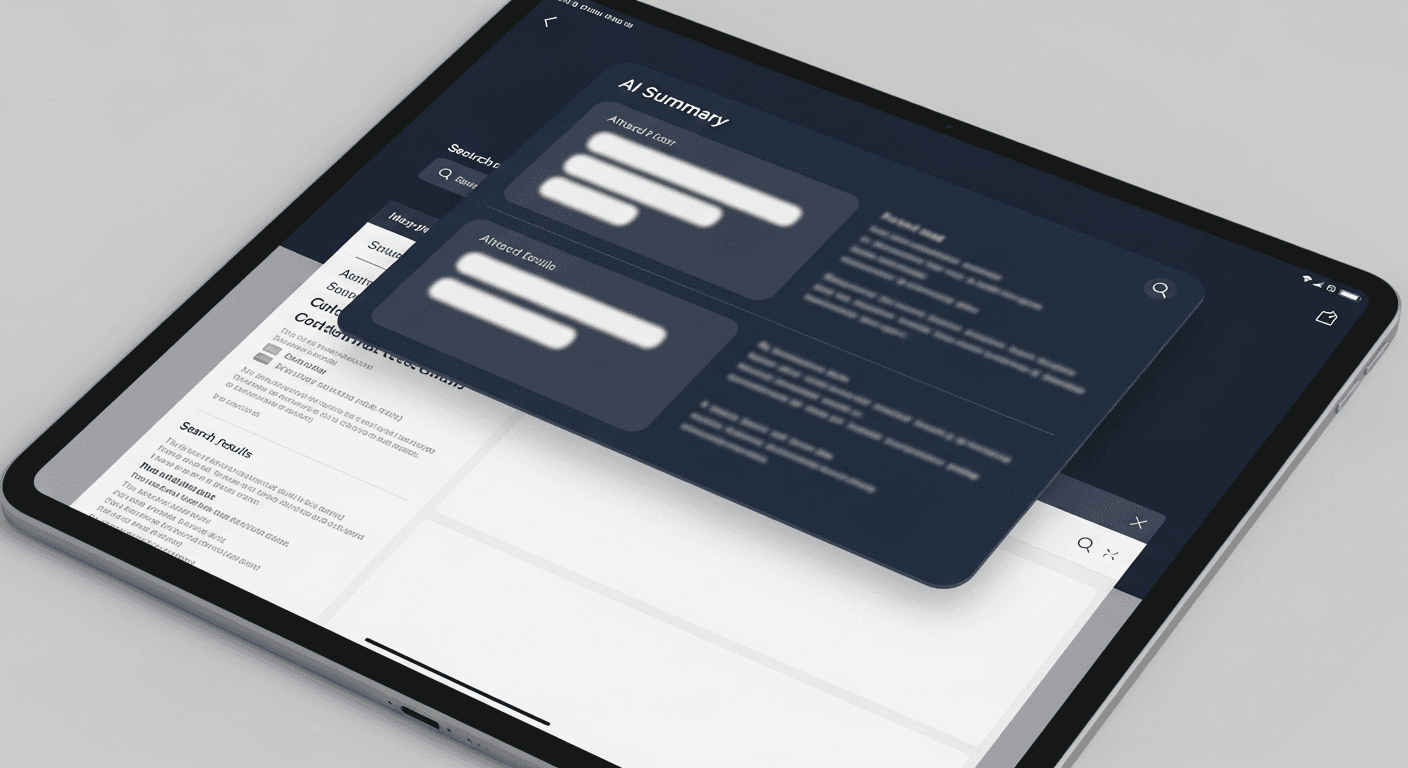
Google AI Overviews and Bing Copilot increasingly pull answer-first content into summaries at the top of results. Firms with clear H2 structure, FAQ schema, and plain-language responses get cited. Firms with brochure copy and no structured data get skipped.
Answer-first formatting works: lead with the direct response, then context. That is how comparison shoppers scan at midnight from a parking lot. It is also how generative search systems decide whether to trust you for custody modification questions or divorce filing timelines.
Educational content builds authority when it answers real questions and stops before crossing into advice. What to gather before a consult. How mediation works at a high level. Each page should say clearly that nothing here creates an attorney-client relationship. The ABA Law Practice technology resources track how AI is reshaping legal marketing — worth a skim before your next content calendar meeting.
When not to hire us yet
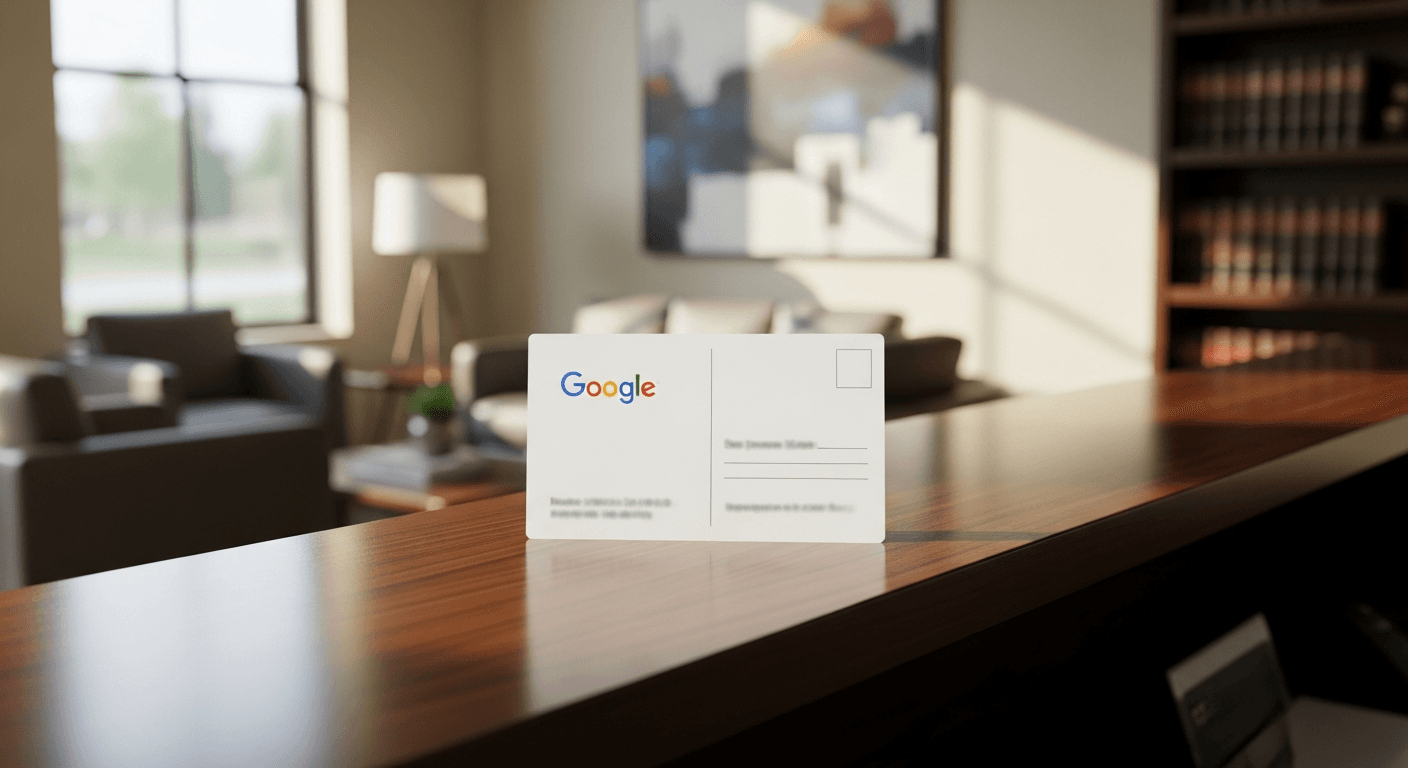
We once talked a counsel out of a four-thousand-dollar monthly SEO retainer because he had not verified the Google postcard sitting on his receptionist's desk. He ranked locally forty-eight hours later. We do not take retainers when the free fix comes first.
Do not book a discovery call if you do not own your domain credentials. If your last agency registered the domain under their name, resolve that hostage situation first. Do not fund content calendars when your mobile intake form fails on a phone in a parking lot — test it before you spend.
If your firm is under two attorneys, serves one county, and has a clean GBP with three matter-type pages that load fast — you may not need us yet. Run those plays for ninety days. Then read our pricing page if you still need a second set of eyes on the keyword gap map.
Straight answers

What is changing in family law SEO for 2026?
Three shifts matter most: AI Overviews pulling answer-first content into summaries, matter-type intent splitting divorce from custody queries, and Core Web Vitals as a hard floor for YMYL family law pages. Generic practice-area pages are losing ground in competitive metros.
Should divorce and custody have separate pages in 2026?
Yes, when search intent differs. A divorce lawyer [city] searcher and a child custody attorney near me searcher need different copy, FAQs, and intake paths. One generic family law URL cannot rank for both in Dallas, Phoenix, or Chicago.
How do AI Overviews affect family law search visibility?
Google and Bing increasingly summarize FAQ-style answers at the top of results. Firms with clear H2 structure, schema markup, and plain-language answers get cited. Firms with thin brochure copy get skipped.
What Core Web Vitals benchmarks matter for family law sites?
Target LCP under 2.0 seconds on mobile, CLS under 0.1, and INP under 200ms. Family law searches skew mobile and urgent. A site loading in over 3 seconds loses roughly 40% of visitors before they ever see your phone number.
How do family law firms balance empathy and SEO conversion?
Soft-tone copy, process explainers, and confidential intake outperform aggressive sales language. Pair empathetic design with fast load times so stressed searchers never wait on a slow page. Bar-compliant testimonials only where your state allows them.
How long does family law SEO take to show results?
Movement in 90 to 120 days if your Google Business Profile and citations are clean. Competitive metros take longer. Firms that quit at month six usually invested in the wrong layer — ads without matter-type pages, or SEO on a broken mobile site.
Can family law firms use client testimonials on their website for SEO?
Depends on your state bar. California, Texas, Florida, and New York each restrict how you describe outcomes and display reviews. Read your regulator's advertising guidance before publishing settlement language or star ratings on-site.
How competitive is family law SEO in U.S. cities?
High in metros with dense divorce markets — Los Angeles, Houston, Atlanta, Miami. Mid-sized cities reward firms with clean GBP, matter-type silos, and state-specific procedure content. Solo practitioners can win with focused geography and niche matter pages.
Ready for a straight answer on your family law rankings?
We build custom websites and SEO foundations for U.S. family law practices. No template churn. No domain hostage games.